
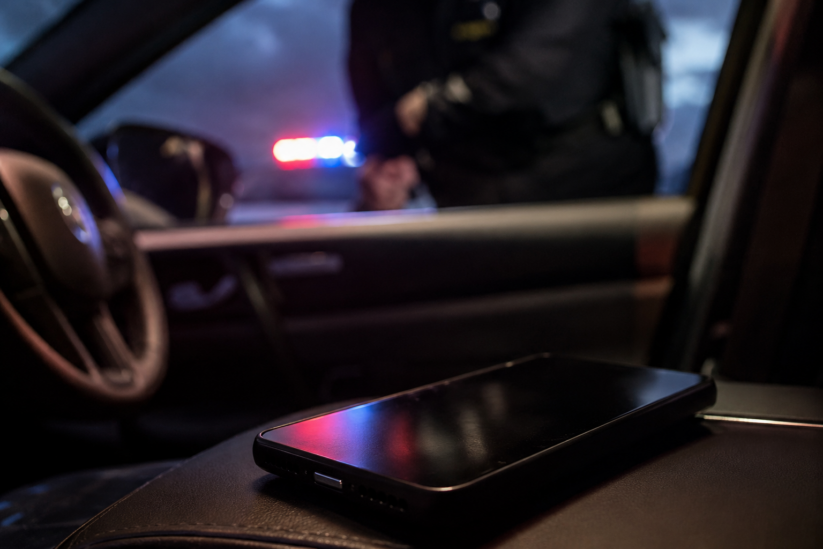
A Tennessee DUI investigation in Chattanooga or anywhere in Hamilton County can move quickly. A driver may be stopped, questioned by law enforcement, asked to perform field sobriety tests, arrested, and transported for booking within a relatively short period of time. During that process, many people have questions about their cell phone. Can police take it? Can they search it? Can text messages, photos, or location information become evidence?
These concerns are understandable. Modern smartphones contain a significant amount of personal information, including communications, photographs, videos, banking applications, social media activity, GPS data, and other private records. Because phones contain so much information, questions involving digital evidence have become increasingly important in criminal investigations.
If you are facing allegations involving impaired driving, understanding how a phone may become relevant to a DUI investigation can help you better understand the legal process. To learn more about DUI-related criminal defense matters in Tennessee, visit our DUI lawyer in TN page.
Note: Tennessee DUI laws were updated effective January 1, 2026, including expanded testing methods such as roadside saliva tests and stricter implied consent penalties. These changes may affect how evidence is gathered during a DUI investigation.
Can Police Search Your Phone After a Tennessee DUI Arrest?
Many people assume that a DUI arrest automatically gives law enforcement unrestricted access to everything stored on a phone. That is not necessarily the case.
A DUI arrest does not automatically mean investigators can review all information stored on a device. In fact, the U.S. Supreme Court ruled unanimously in Riley v. California (2014) that police generally cannot search the digital contents of a cell phone without a warrant, even following a lawful arrest. That ruling directly applies in Tennessee. A warrant based on probable cause is ordinarily required before law enforcement can access the information stored on an arrested person’s phone.
Issues involving searches, evidence collection, and constitutional protections frequently arise during criminal investigations. Additional information about criminal investigations and defense matters is available through our criminal defense services page.
Why Cell Phones Sometimes Become Relevant in DUI Investigations
Many DUI investigations focus on evidence gathered during a traffic stop. This may include officer observations, witness statements, chemical testing, driving behavior, and other facts surrounding the arrest.
In some cases, investigators may believe information stored on a phone is relevant to the allegations. A phone could contain communications, photographs, videos, location information, ride-share records, or other data that investigators believe may help establish a timeline of events.
That does not mean every DUI case involves digital evidence. Many Tennessee DUI cases proceed without any cell phone evidence at all. The significance of a phone depends on the specific facts of the case.
What Happens to Your Phone During an Arrest?
When a person is arrested, officers may collect personal property during the booking process. This can include a phone, wallet, keys, jewelry, and other belongings.
The collection of personal property does not automatically mean officers are reviewing the contents of the device.
This distinction is important because many people confuse possession of a phone with access to the information stored on that phone.
A device may simply be inventoried and stored with other personal property while a person remains in custody. Depending on the circumstances of the investigation, the phone may later be returned, retained as evidence, or become the subject of additional legal proceedings.
Showing Digital Registration Does Not Open the Entire Phone
Tennessee law allows drivers to provide vehicle registration information electronically.
The law also states that when an officer views electronic vehicle registration on a phone or other electronic device, that action does not provide consent for the officer to access other content stored on the device.
While this rule is not specific to DUI investigations, it highlights the distinction between displaying a document and providing access to personal information stored on a phone.
When Can a Cell Phone Become Evidence in a DUI Case?
A phone may become relevant if investigators believe information stored on the device is connected to the allegations being investigated.
Cell phone evidence in DUI cases can take many forms. Investigators may seek information involving text messages, photographs, videos, location information, call records, or other digital evidence if they believe the information is relevant to the investigation. The significance of digital evidence depends on the facts of the case and how the information was obtained.
Text Messages
Text messages may become relevant if investigators believe communications relate to driving activity, alcohol consumption, drug use, travel plans, or events occurring before or after an arrest.
The meaning of any communication often depends on context. A message viewed in isolation may not tell the complete story.
Questions involving digital communications are sometimes reviewed alongside other forms of evidence. Additional information is available on our page discussing challenging DUI evidence in Tennessee criminal cases.
Call Records
Phone records may become relevant if investigators believe the timing of calls has a connection to the allegations.
Questions may arise regarding when calls occurred, how long they lasted, and how those communications fit into the broader timeline of the investigation.
Photos and Videos
Photos and videos stored on a phone can sometimes become part of a criminal investigation.
Investigators may seek information relating to images or recordings if they believe the content is connected to the allegations being investigated. Examples could include videos recorded shortly before an arrest, recordings of a traffic stop, or photographs investigators believe are relevant to their investigation.
Location Information
Many smartphones collect location-related information through navigation systems, applications, and device settings.
In some situations, investigators may attempt to determine where a vehicle traveled or where an individual was located during a particular period of time.
Location information, like other forms of evidence, may raise questions involving accuracy, interpretation, reliability, and relevance. It is also worth noting that the U.S. Supreme Court held in Carpenter v. United States (2018) that law enforcement generally must obtain a warrant before accessing historical cell-site location information — the records that cell carriers keep showing which towers a phone connected to over time. This is an important protection that applies in Tennessee DUI investigations.
Social Media Activity
Social media content may also become relevant in certain investigations.
Posts, photographs, videos, comments, and other publicly available content may attract attention if investigators believe the information relates to the allegations being investigated.
The significance of any social media activity depends on the facts of the case and the relationship between the content and the allegations.
DUI Investigations Involving Accidents
Digital evidence sometimes receives greater attention when a DUI allegation involves a collision.
Investigators may examine multiple sources of information, including witness statements, physical evidence, surveillance footage, emergency response records, and potentially digital information.
A crash investigation may involve efforts to establish a timeline of events before and after the incident. Depending on the circumstances, investigators may attempt to determine where individuals were located, who they communicated with, or what actions occurred during relevant periods of time.
Cases involving injuries, significant property damage, or more serious criminal allegations may involve broader investigations than routine traffic stops.
Investigations involving accidents may present different evidentiary issues than routine traffic stops. Additional information about DUI charges is available through our DUI legal services in Tennessee page.
How a case is handled can depend on the specific charge and local court procedures.
Can Deleted Information Still Matter?
Many people believe that deleting information permanently removes it.
The reality can be more complicated.
Depending on the circumstances, information may exist in cloud storage systems, backups, account records, or other locations separate from the phone itself.
At the same time, it would be inaccurate to claim that every deleted message, photograph, or file can always be recovered. The availability of information depends on numerous technical and legal factors.
Because technology changes rapidly, the existence, accessibility, and reliability of deleted information can vary considerably from case to case.
Search Warrants and Digital Evidence
One of the most important issues in any digital evidence case involves the legal authority relied upon by investigators.
Search warrants are one issue that may arise when phones and digital evidence become part of a criminal investigation.
Questions that sometimes arise include:
What information was requested?
What information was reviewed?
Was the search limited to specific categories of information?
Did the search remain within the scope of the legal authority relied upon by investigators?
These issues can become important when digital evidence is later examined in court.
Digital Privacy and Cell Phones
Modern smartphones contain significantly more personal information than most physical items a person carries on a daily basis.
Questions involving digital privacy, electronic evidence, and phone searches continue to be addressed through constitutional principles and court decisions. Questions involving cell phone searches are influenced by court decisions addressing digital privacy, including decisions recognizing that modern smartphones contain significant amounts of personal information.
Individuals interested in learning more about Tennessee courts and legal resources may visit the Tennessee Administrative Office of the Courts at https://www.tncourts.gov
How Defense Attorneys Review Cell Phone Evidence
When digital evidence becomes part of a DUI case, defense attorneys often review how that evidence was collected, preserved, and analyzed.
Issues that may be examined include the methods used to obtain information, chain-of-custody concerns, preservation of digital records, data extraction procedures, reliability questions, and the scope of any legal authority relied upon during the investigation.
Digital evidence can appear straightforward at first glance. In practice, disputes may arise regarding context, interpretation, reliability, accuracy, and relevance.
The significance of text messages, photographs, videos, location information, and other digital records often depends on the surrounding facts and circumstances.
For additional information about evidence-related issues in DUI cases, visit our page discussing challenging DUI evidence.
What If Your Phone Contains Private Information Unrelated to the Investigation?
A common concern involves personal information stored on a device that has nothing to do with a DUI allegation.
Many phones contain family photographs, financial records, medical information, work communications, and other private information.
Because smartphones store substantial amounts of personal data, privacy concerns frequently arise when digital evidence becomes part of a criminal investigation.
Questions involving access to personal information can become important issues depending on the facts of the case.
Steps to Take If Your Phone Is Taken During a DUI Investigation
If a phone is taken into police custody during a DUI investigation, remaining calm and preserving records can be important.
Individuals may benefit from keeping copies of paperwork received during the arrest process, documenting events while memories remain fresh, preserving potentially relevant information, and discussing concerns with legal counsel.
One of the most important steps is to avoid consenting to any search of your device — you have the right to decline, and a warrant is generally required for law enforcement to access the contents of your phone.
The significance of a phone varies considerably from one case to another. Some investigations involve little or no digital evidence, while others may involve substantial attention to information stored on electronic devices.
Tennessee DUI Cases and Digital Evidence Questions
Davis & Hoss, P.C. represents individuals facing criminal defense and DUI-related matters in Tennessee. Questions involving digital evidence, search warrants, text messages, social media activity, and cell phone data can raise legal issues that depend on the specific facts of a case.
Because every investigation is different, the significance of cell phone evidence can vary considerably from one matter to another.
If you are facing DUI-related charges in Chattanooga or Hamilton County and have concerns about digital evidence, cell phone searches, or your privacy rights, the attorneys at Davis & Hoss, PC are available to help. Contact our office for a free consultation at (423) 266-0605.
Frequently Asked Questions
Can police take my phone during a Tennessee DUI arrest?
A phone may be collected with other personal property during the booking process. The specific circumstances of the arrest can affect what happens to the device.
Can police read my text messages after a DUI arrest?
Questions involving access to text messages depend on the facts of the investigation and the legal authority relied upon by investigators.
Can police obtain text messages during a DUI investigation?
In some situations, investigators may seek access to text message evidence if they believe the communications are relevant to an investigation. The significance of any communication depends on the facts of the case and the legal authority relied upon by investigators.
Can GPS information be used in a DUI case?
Location-related information may become relevant in some investigations. The importance of that information depends on the facts and evidence involved.
Can location data from a phone be used in court?
Location information may become relevant in some criminal investigations. Issues involving reliability, interpretation, and relevance may affect how location data is evaluated.
Can social media posts be used as evidence?
Publicly available posts, photographs, videos, and comments may become relevant if investigators believe they are connected to the allegations being investigated.
Can officers look through my phone if I show electronic registration?
Tennessee law permits electronic vehicle registration and states that an officer viewing electronic registration does not receive consent to access other content stored on the device.
Does every Tennessee DUI case involve cell phone evidence?
No. Many DUI cases proceed without any cell phone evidence.
Can deleted messages always be recovered?
No. Recovery of deleted information depends on numerous technical and legal factors.
Cell phones have become an increasingly important part of modern criminal investigations. At the same time, not every DUI case involves digital evidence, and not every phone becomes a central issue in a prosecution. If you would like additional information regarding Tennessee criminal defense matters, visit our Criminal Defense Services page.
Understanding your rights when a cell phone becomes part of a Tennessee DUI investigation can be important from the earliest stages of the case. If you have questions about digital evidence, search warrants, or defending against DUI charges in Chattanooga or the surrounding area, contact Davis & Hoss, PC at (423) 266-0605 or visit our Tennessee DUI services page to learn more.