
A felony arrest in Hamilton County creates confusion and fear in the first few hours. The process moves fast at the start and then slows down once the case enters the court system. Many people search online for a clear and accurate timeline. They prefer this over short explanations or general statements.
This guide explains the felony process in Hamilton County from the moment of arrest to the stages that follow. The goal is to help a person understand what is happening at each point and why the system works the way it does.
Why People Look for This Information After a Felony Arrest
The first hours after an arrest do not come with much explanation. Officers do not walk someone through the next steps. The jail focuses on intake, not legal guidance.
Family members often know nothing until a phone call comes through. This leads to panic and searching for answers online.
Hamilton County follows Tennessee law, but local courts have their own schedules and routines. That means two felony cases can move in different ways, even when the charge is the same. Understanding the structure helps someone feel more prepared during a stressful time.
Step One: The Arrest and the Immediate Impact
Felony arrests in Hamilton County usually occur in two ways. Officers either arrest someone at the scene of an incident, or a judge issues a warrant in advance.
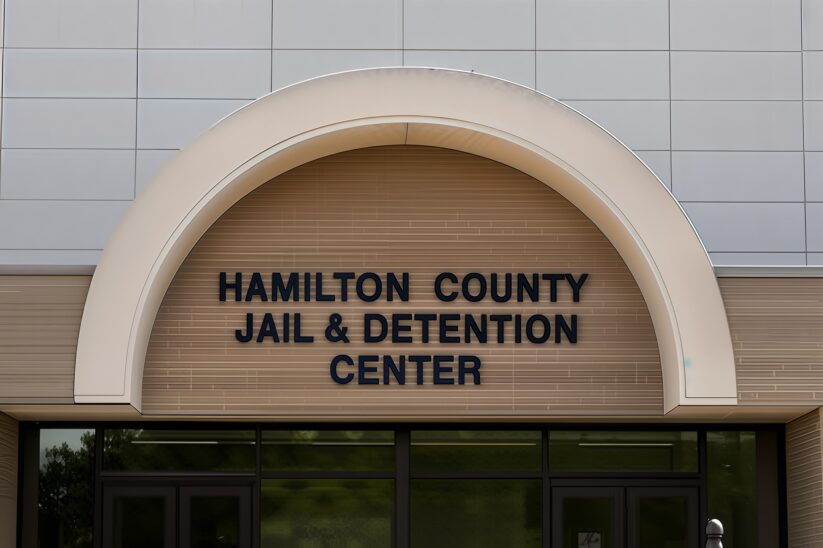
After the arrest, the person goes to the Hamilton County Jail. The Hamilton County Sheriff’s Office runs this jail. This is where the formal process begins.
Officers complete an arrest report with the facts they observed, statements they gathered, and evidence they collected. The report becomes one of the first documents reviewed by a magistrate.
Authorities usually tell the person in custody the name of the charge. However, they do not give any details. These details appear later in the case file.
The experience moves quickly from the street to the jail. Most people do not fully understand what happens during this early stage because they share little information.
Step Two: Booking at the Hamilton County Jail and Detention Center
Booking combines paperwork with identification steps. The jail collects fingerprints, photographs, basic personal information, criminal history records, and notes any medical concerns. The person’s clothing, property, and phone are removed for storage.
Hamilton County uses a classification process to decide placement inside the jail. This classification is only for housing and does not influence the judge’s opinion or the strength of the case.
Questions asked during booking relate to safety and logistics, not guilt. A person does not need to explain the events that led to the arrest. People often feel pressure to talk, but remaining quiet is the safer path in this environment.
Step Three: The Magistrate Hearing and Bond Decision
Once booking is complete, the case is sent for a magistrate review. This is the first legal checkpoint. The magistrate reviews the arrest report to determine if there is enough information to support the charge. If there is, the next step is deciding bond.
The magistrate may:
- Approve a bond
- Deny bond for certain charges
- Set conditions for release
- Schedule the first court date
This review is not a trial. It is a basic review of the officer’s report and the circumstances surrounding the arrest.
Felony cases involving weapons, violence, or high-risk behavior often lead to stricter bond decisions. These decisions vary from one case to another because the magistrate focuses on the specific facts in front of them.
Step Four: The First Phone Call After the Arrest
After the bond decision, most people have the chance to make a phone call. This is often the first moment family members learn the charge, the bond amount, and the location of the facility.
Many people feel the need to explain the situation during these calls. This creates risk because jail calls are recorded. Anything said can be reviewed later by investigators. Discussing the details of the case, even casually, can create problems down the road.
This is also when family members start searching online for reliable information. They often want to understand what the next steps look like so they can prepare.
Step Five: Release from Custody or Continued Detention
If the bond is affordable and posted, the person can be released from the jail. Release comes with paperwork that includes the next court date and any conditions that must be followed.
If the bond cannot be posted or if bond is denied, the person remains in custody. In this situation, the individual waits for the next court date in Hamilton County General Sessions Court. The pace depends on the court’s schedule, the type of charge, and how many cases are on the docket.
Missing any future court date, even by accident, usually creates new legal problems. Courts treat missed dates seriously in felony cases.
Step Six: General Sessions Court and the First Court Appearance
The first appearance in court usually takes place in Hamilton County General Sessions Court. This hearing happens after the arrest and functions as the first formal checkpoint inside the courtroom. The judge reads the charge, confirms if the person has a lawyer, reviews bond if needed, and sets dates for the next steps.
This early hearing is brief and does not involve full evidence or witness testimony. People often expect more from this hearing, but its purpose is to check the status of the case and move it forward on the docket.
Preliminary Hearings in General Sessions Court
Felony cases in Hamilton County may also include a preliminary hearing in General Sessions Court. A preliminary hearing is a short evidentiary review where the judge listens to basic testimony or sees limited evidence. The judge then decides if there is probable cause to move the case forward.
If probable cause exists, the case is sent to the Hamilton County grand jury for review. If the judge does not see probable cause, the case may be dismissed at this stage.
This step is significant because it can influence how long the case stays in General Sessions Court before moving to the next phase.
For general information about how Hamilton County courts function, the county overview page provides a helpful starting point: Hamilton County Criminal Defense Attorney
Step Seven: Evidence Collection and Early Case Review
After the first court dates, the case moves into an evidence-gathering stage. Officers may continue reviewing digital files, interviewing witnesses, or analyzing reports. The district attorney reviews this material while deciding how the case should move forward.
Many people feel frustrated during this period because the case appears quiet. The silence does not mean the case is being dropped. It simply means the state is still gathering and reviewing information.
During this stage, statements made to friends, family, or online can appear later in the case file. Avoiding conversations about the case helps reduce the risk of new complications.
Step Eight: Early Motions and Discussions About the Case
As evidence is reviewed, early discussions may begin. These discussions focus on scheduling, the future of the case, gaps in the evidence, or concerns about witness statements. This process does not move at the same pace for every case. Some issues take time to evaluate.
This stage also includes requests for more time, early motions, and preliminary strategy. Nothing at this point decides guilt. The case is still building, and both sides are focusing on what will happen next.
Step Nine: Grand Jury Review in Hamilton County
Felony prosecutions in Tennessee typically move forward only after a grand jury reviews the case and approves an indictment. The grand jury reviews evidence that law enforcement has gathered and listens to the district attorney’s presentation.
Grand jury meetings are private. The person accused usually does not testify. The standard used by the grand jury is probable cause. This standard is lower than proof beyond a reasonable doubt.
If the grand jury votes to indict, the case moves into criminal charges court. If they do not, the court may dismiss the case or return it for more investigation.
An indictment is a formal accusation that allows the case to move into the next phase. It is not a finding of guilt.
For readers who want a neutral overview of Tennessee case movement, the Tennessee District Attorneys General Conference provides a basic explanation of criminal procedure.
Step Ten: The Case in Hamilton County Criminal Court
Once an indictment is filed, the case moves into Hamilton County Criminal Court. This phase brings more structure. The judge sets formal dates for arraignment, motion hearings, evidence disputes, and trial preparation.
Criminal Court oversees:
- Pretrial motions
- Evidence challenges
- Requests to suppress information
- Scheduling for trial
- Witness lists and related filings
This part of the process is more detailed than General Sessions Court. The deadlines are firm, and the case becomes more complex as trial preparation begins.
The Path Toward Final Resolution
A felony case in Hamilton County may be dismissed, resolved through discussions, or sent to trial. The timeline depends on the type of charge, the number of witnesses, the digital evidence, and the court’s schedule.
Cases that involve violence or weapons may take longer because they often involve more hearings and additional evidence. Non-violent cases can move faster, but the timeline still varies based on the facts and schedules involved.
Mistakes People Often Make During a Felony Case
Many common mistakes can create problems during a felony case. Talking about the case can add information to the case file. This includes talking on a recorded call, posting online, or discussing details with friends or co-workers.
Another mistake is misunderstanding what each hearing means. Early hearings in General Sessions Court are not full trials.
They do not involve full evidence presentations. Missing a scheduled date or ignoring bond conditions can lead to more legal problems. This can make the case harder to handle.
A Realistic Timeline for Felony Cases in Hamilton County
While no two cases move in the same way, the general timeline usually includes several stages:
The arrest and booking happen quickly.
The magistrate review follows soon after.
General Sessions Court dates are scheduled shortly after the arrest.
Evidence review continues during the following weeks or months.
The grand jury considers the case when it meets next.
If indicted, the case moves into Hamilton County Criminal Court, where formal procedures begin.
The process feels slow at times because each stage requires review and scheduling. The system is designed to move step by step.
Natural Next Step for Someone Facing This Situation
Someone facing a felony charge often feels overwhelmed. The first hearings move quickly and can be confusing. Later stages feel slower because they involve investigation, review, and scheduling.
A helpful next step is learning how the local courts work and tracking all upcoming deadlines so nothing is missed. Check more information about court structure in Hamilton County.
Frequently Asked Questions
What is the first legal step after a felony arrest in Hamilton County?
The first legal step is the magistrate review. The magistrate checks the arrest report, confirms probable cause, and decides bond. This step happens soon after booking.
Does General Sessions Court decide guilt in felony cases?
General Sessions Court does not decide guilt in felony cases. It conducts early hearings and may handle a preliminary hearing to decide if there is probable cause to send the case to the grand jury.
How long does it take for a felony case to reach Criminal Court?
The timeline depends on the grand jury schedule, the nature of the charge, and how long evidence review takes. Some cases move to Criminal Court quickly, while others take longer.
Is it safe to discuss the case while out on bond?
Talking about the case creates risk because statements made to friends, family, or online can appear later in the case file. Recorded calls from the jail can also be reviewed.
What does an indictment mean in Tennessee?
An indictment means the grand jury found probable cause that a felony occurred. It is a formal accusation, not a determination of guilt.
Why do Hamilton County felony cases take time?
Felony cases take time because evidence review, scheduling, witness statements, and digital analysis all require careful review. The case must move through both General Sessions Court and the grand jury before reaching Criminal Court.